Impressionism: Capturing Light and Life

Impressionism, a groundbreaking art movement that emerged in the late 19th century, is celebrated for its innovative approach to capturing light and atmosphere. Characterized by loose brushwork and vibrant colors, Impressionism sought to depict the fleeting moments of everyday life. Artists often painted en plein air (outdoors) to observe and render the natural changes in their surroundings. This approach allowed them to capture the immediate effects of light and weather on their subjects, resulting in paintings that conveyed a sense of spontaneity and movement.

Background

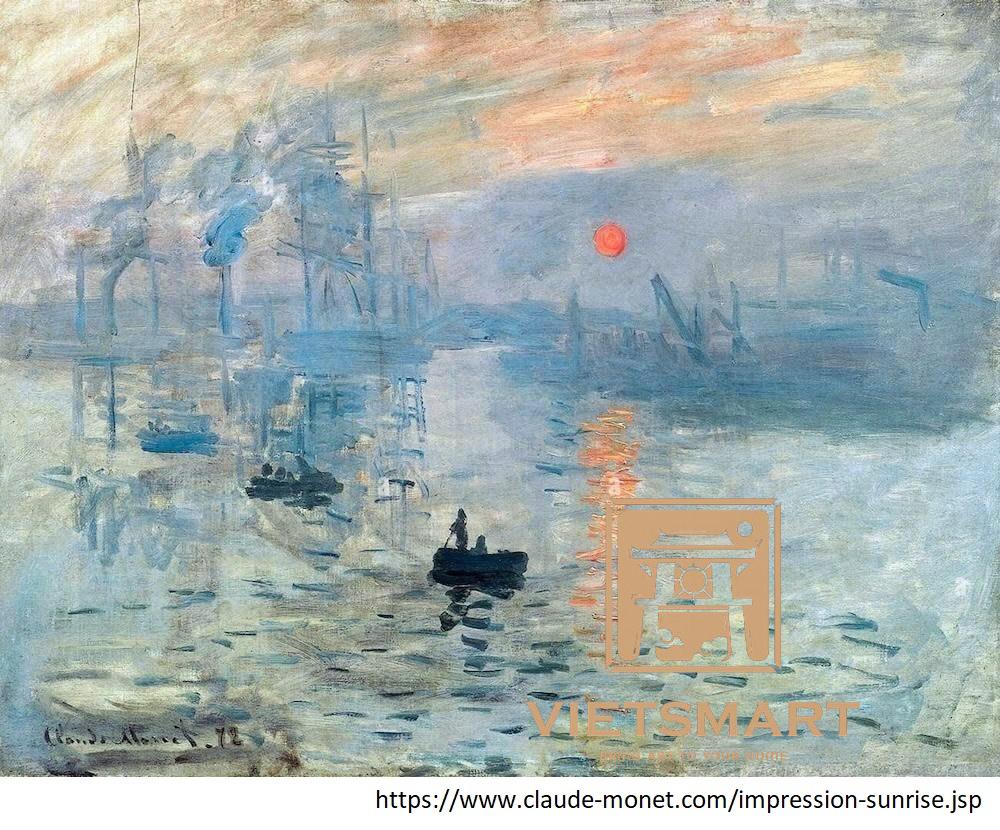
Impressionism originated in France in the 1870s and gained momentum with a series of independent exhibitions by a group of artists who rejected the rigid conventions of the official Salon. The term “Impressionism” was coined by art critic Louis Leroy, who intended it as a critique of Claude Monet’s painting “Impression, Sunrise” (1872). The movement’s focus on capturing transient light effects and everyday scenes marked a radical shift from the detailed, idealized representations that dominated earlier art periods.
Characteristics


- Vivid Colors: Impressionist paintings often feature bright, pure colors applied in small, loose brushstrokes to create a sense of vibrancy and movement.
- Light and Atmosphere: Artists focused on how light interacted with their subjects, often painting the same scene at different times of day to capture changing light conditions.
- Everyday Scenes: Instead of historical or mythological subjects, Impressionists depicted contemporary life, including landscapes, cityscapes, and domestic scenes.
- Open Composition: Impressionist works often have an informal, snapshot-like quality, with cropped edges and a focus on spontaneity.
Claude Monet: The Master of Impressionism
Claude Monet is one of the most famous painters associated with Impressionism. His masterpiece “Impression, Sunrise” (1872) is a quintessential example of the movement. The painting, which depicts the port of Le Havre at sunrise, features loose brushstrokes and a focus on the interplay of light and color, rather than detailed realism.
“Impression, Sunrise” (1872): This iconic work captures the fleeting effects of dawn with its hazy atmosphere and shimmering water. Monet’s innovative approach in this and other works challenged conventional art norms and inspired a generation of artists to explore new ways of seeing and depicting the world.
Monet’s influence on Impressionism solidified the movement’s place in art history, paving the way for future avant-garde movements. Explore the world of Impressionism and the groundbreaking works of Claude Monet in our gallery. Experience the light, color, and emotion that continue to captivate and inspire art lovers around the globe.