Post-Impressionism: The Evolution of Modern Art

Post-Impressionism, an influential art movement that emerged in the late 19th century, is celebrated for its departure from the fleeting qualities of Impressionism and its focus on more structured and expressive forms. Characterized by bold colors, distinct brushstrokes, and symbolic content, Post-Impressionism aimed to convey deeper emotional and spiritual meanings rather than merely capturing the visual impression of a moment.

Background

Post-Impressionism originated in France during the 1880s and 1890s as a reaction against the limitations of Impressionism. The term was first used by British art critic Roger Fry in 1910 to describe the works of artists who sought to push the boundaries of Impressionist techniques. While Impressionism focused on capturing light and color, Post-Impressionist artists like Vincent van Gogh, Paul Cézanne, and Paul Gauguin sought to infuse their works with more personal, symbolic, and structural elements, creating a more profound connection with their subjects.
Characteristics

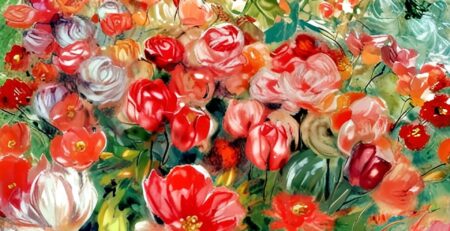
- Bold Colors: Post-Impressionist paintings are known for their use of vibrant, often unconventional colors to express emotion and symbolism.
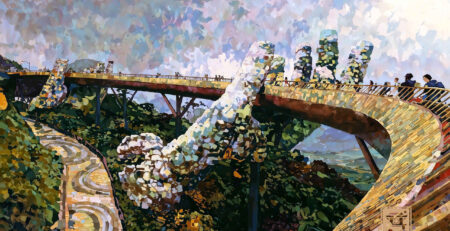
- Distinct Brushstrokes: The brushwork in Post-Impressionist art is varied, ranging from the thick, swirling strokes of van Gogh to the precise, methodical application of Cézanne.
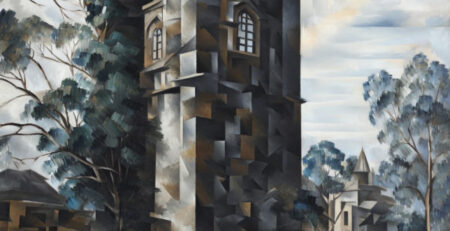
- Structured Forms: Post-Impressionist artists often focused on the underlying structure of their compositions, using geometric shapes and strong lines to create a sense of order and balance.
- Symbolic Content: The primary goal of Post-Impressionism was to convey deeper meanings and emotions through symbolic and expressive imagery.
Vincent van Gogh: The Master of Post-Impressionism
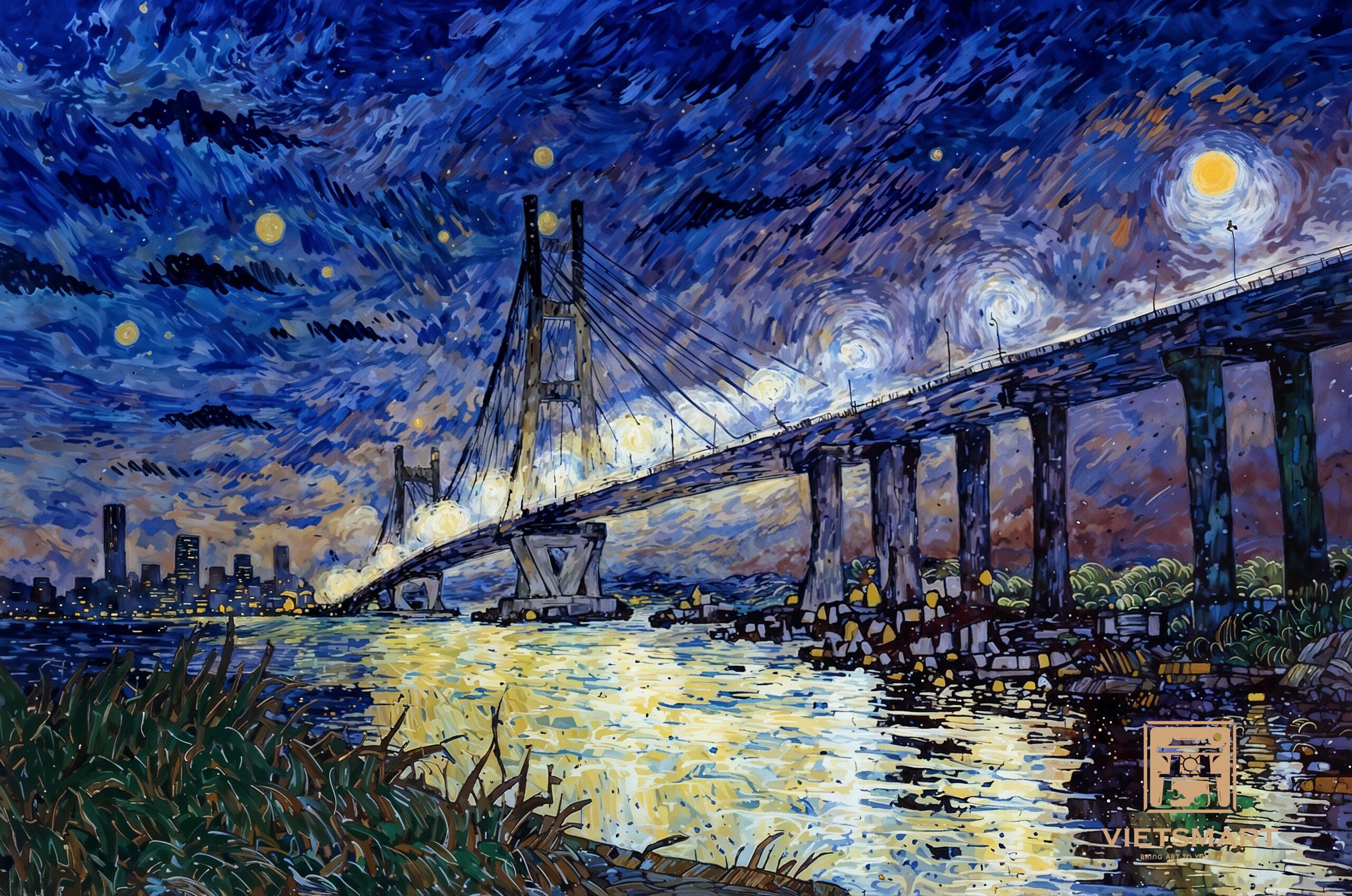
One of the most famous painters associated with Post-Impressionism is Vincent van Gogh. Known for his emotionally charged and vividly colored works, van Gogh’s paintings exemplify the movement’s core principles. His masterpiece, “Starry Night” (1889), is a quintessential example of Post-Impressionism. The painting features swirling, expressive brushstrokes and a vibrant color palette that conveys van Gogh’s inner turmoil and fascination with the night sky.
“Starry Night” (1889): This iconic work captures the view from van Gogh’s asylum room in Saint-Rémy-de-Provence, depicting a swirling night sky over a quiet village. The use of bold colors and dynamic brushstrokes creates a sense of movement and emotion, making it one of the most celebrated examples of Post-Impressionist art.

Van Gogh’s innovative approach in “Starry Night” and other works challenged conventional art norms and inspired a generation of artists to explore new ways of expressing their inner worlds. His influence on Post-Impressionism solidified the movement’s place in art history, paving the way for future avant-garde movements.