Cubism: Redefining Perspectives

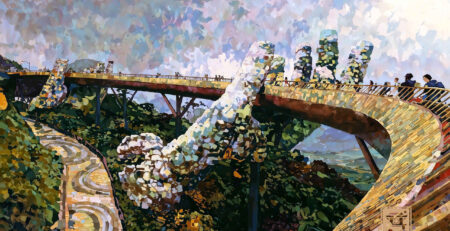
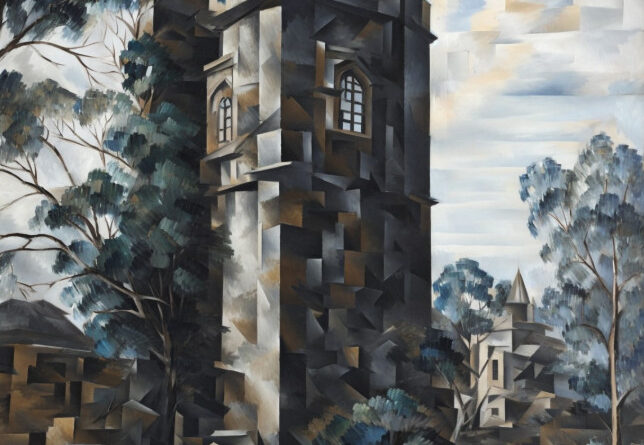
Cubism, a groundbreaking art movement that emerged in the early 20th century, is celebrated for its radical departure from traditional perspectives and its innovative approach to depicting reality. Characterized by fragmented forms, multiple viewpoints, and geometric shapes, Cubism aimed to present subjects from various angles simultaneously. This revolutionary style allowed artists to break down objects into their basic geometric components and reassemble them in abstract forms, offering a more comprehensive and complex view of their subjects.

Background
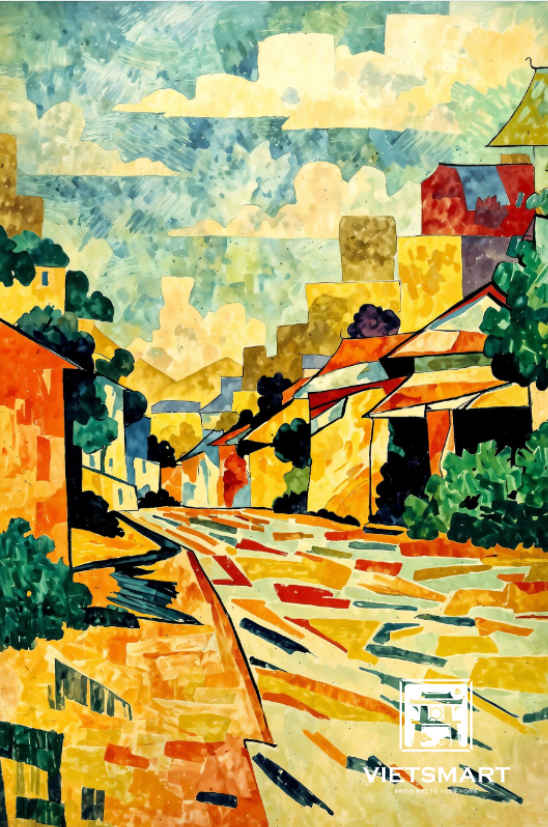
Cubism originated in France during the early 1900s, with its roots firmly planted in the collaborative works of Pablo Picasso and Georges Braque. The movement was a reaction against the conventional techniques of perspective and foreshortening that had dominated Western art for centuries. By breaking down objects into their basic geometric components and reassembling them in abstract forms, Cubist artists sought to depict the complexity of perception and the interplay of time and space. The term “Cubism” was first coined by art critic Louis Vauxcelles in 1908, describing Braque’s landscapes that seemed to be composed of cubes.
Characteristics


- Fragmented Forms: Cubist paintings deconstruct subjects into geometric shapes, presenting them from multiple angles within a single composition.
- Multiple Viewpoints: This style often combines different perspectives, allowing viewers to see various aspects of the subject at once.
- Geometric Shapes: The use of cubes, spheres, and other geometric forms is a hallmark of Cubist art, creating a sense of abstraction and depth.
- Monochromatic Palettes: Early Cubist works, especially those of the Analytic phase, often feature subdued colors, focusing on form rather than color to convey meaning.
Pablo Picasso: The Master of Cubism
One of the most famous painters associated with Cubism is Pablo Picasso. Known for his innovative and diverse body of work, Picasso’s paintings exemplify the movement’s core principles. His masterpiece, “Les Demoiselles d’Avignon” (1907), is a quintessential example of Cubism. The painting features fragmented, angular forms and multiple perspectives, challenging the traditional representation of the female figure.
“Les Demoiselles d’Avignon” (1907): This iconic work marks a significant departure from conventional art, depicting five female figures in a bold, abstract manner. The use of sharp angles, flattened spaces, and African mask-inspired faces revolutionized the way artists approached portraiture and composition.

Picasso’s innovative approach in “Les Demoiselles d’Avignon” and other works challenged conventional art norms and inspired a generation of artists to explore new ways of representing reality. His influence on Cubism solidified the movement’s place in art history, paving the way for future avant-garde movements.