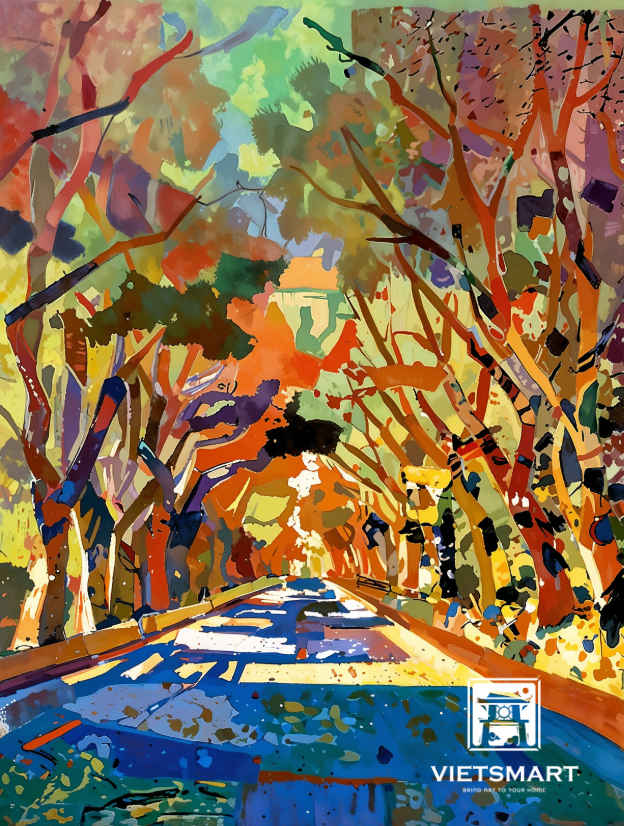
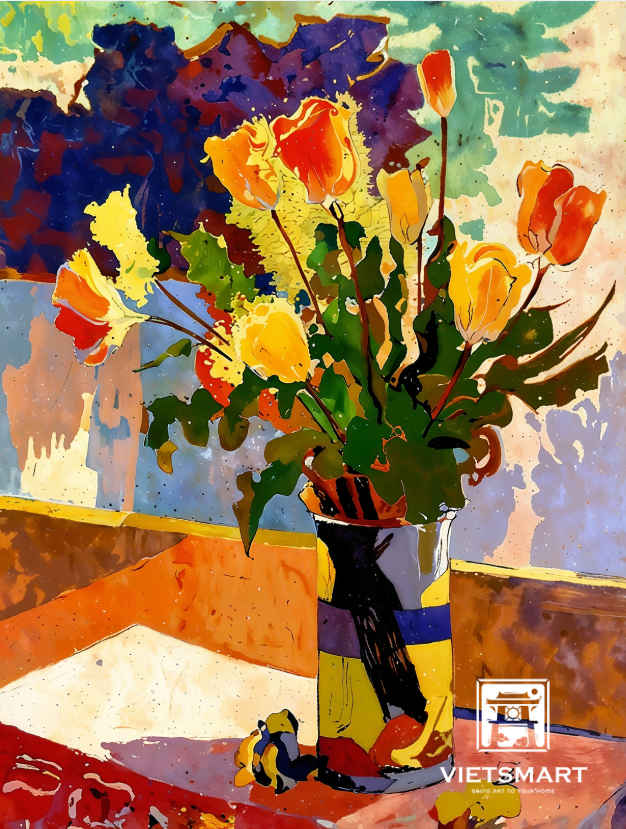
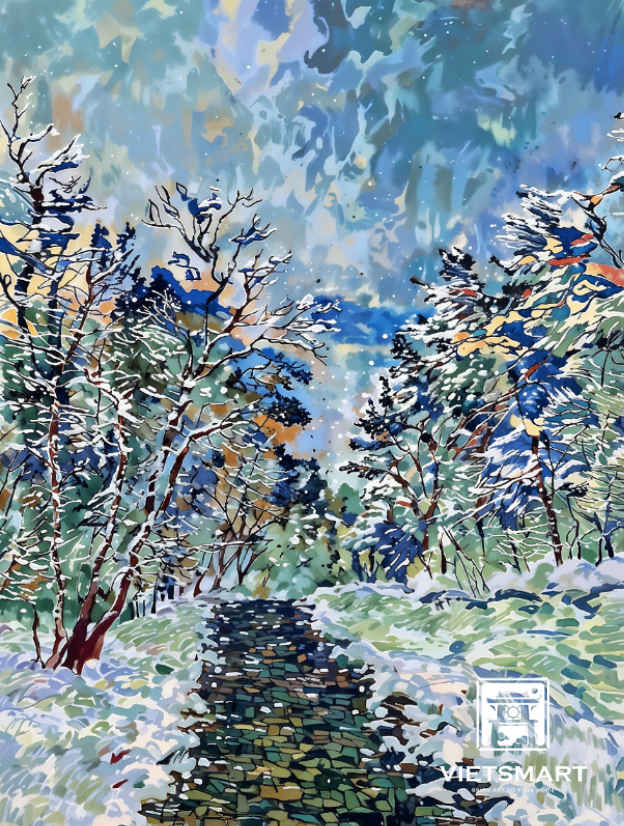
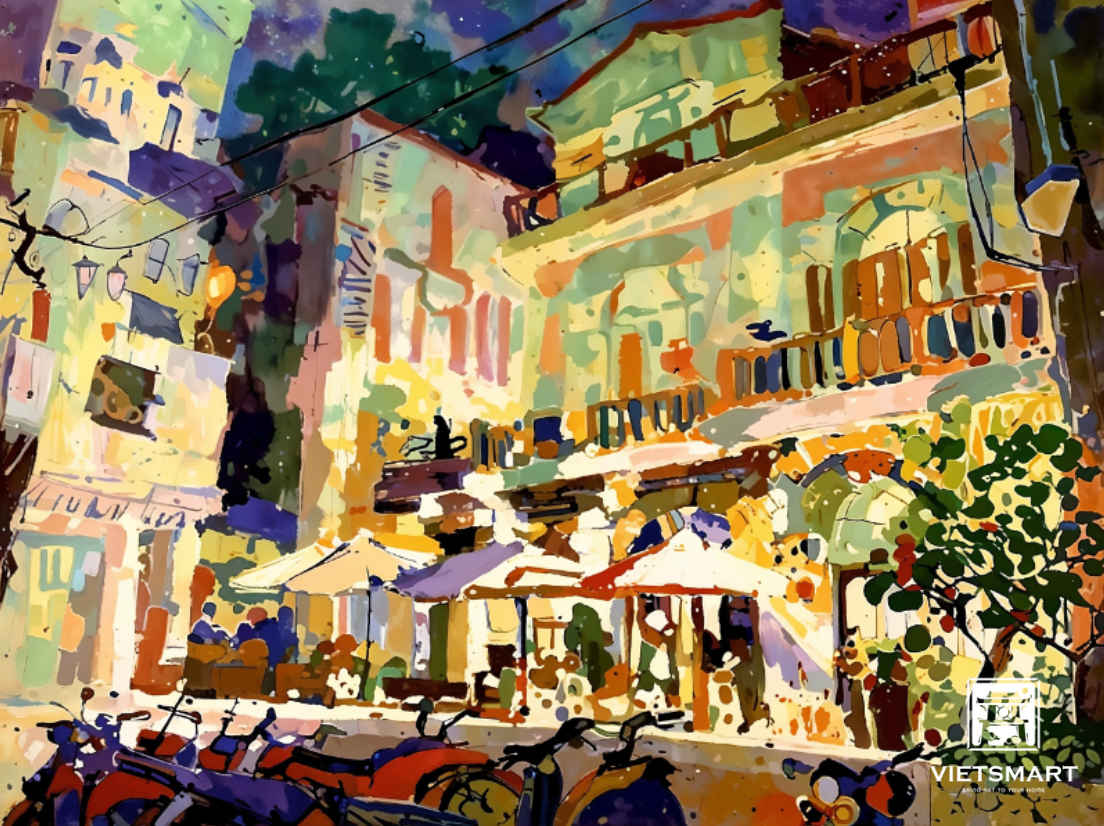
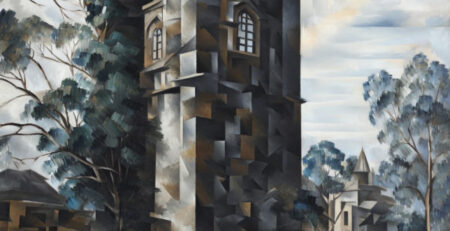
Fauvism was a radical shift from the traditional approaches of the time, marking the beginning of modern art. By prioritizing emotional impact over realism, Fauvist artists broke away from the conventions of the past and laid the groundwork for future avant-garde movements.
Fauvism, a revolutionary art movement that emerged in the early 20th century, is celebrated for its bold use of color and departure from realistic representation. This vibrant style, characterized by wild brushwork and intense hues, aimed to evoke emotional responses rather than adhere to the naturalistic depiction of subjects.
Background
Fauvism originated in France around 1904-1908 and was first introduced to the public at the 1905 Salon d’Automne in Paris. The movement’s name, derived from the French word “fauves” meaning “wild beasts,” was coined by art critic Louis Vauxcelles, who was struck by the wild, untamed quality of the works on display. This short-lived but influential movement was led by a group of artists who were united by their desire to break away from Impressionism and explore more expressive means of using color.
Characteristics
Bold Colors: Fauvist paintings are known for their use of vivid, often non-naturalistic colors. Artists would use pure, unmixed colors straight from the tube to create a sense of energy and emotion.
Expressive Brushwork: The brushwork in Fauvist art is loose and dynamic, emphasizing the artist’s hand and the act of painting itself.
Simplified Forms: Fauvist artists often simplified forms and used broad, flat areas of color to convey their subjects.
Emotional Impact: The primary goal of Fauvism was to evoke an emotional response from the viewer, rather than to depict reality accurately.
Henri Matisse: The Master of Fauvism
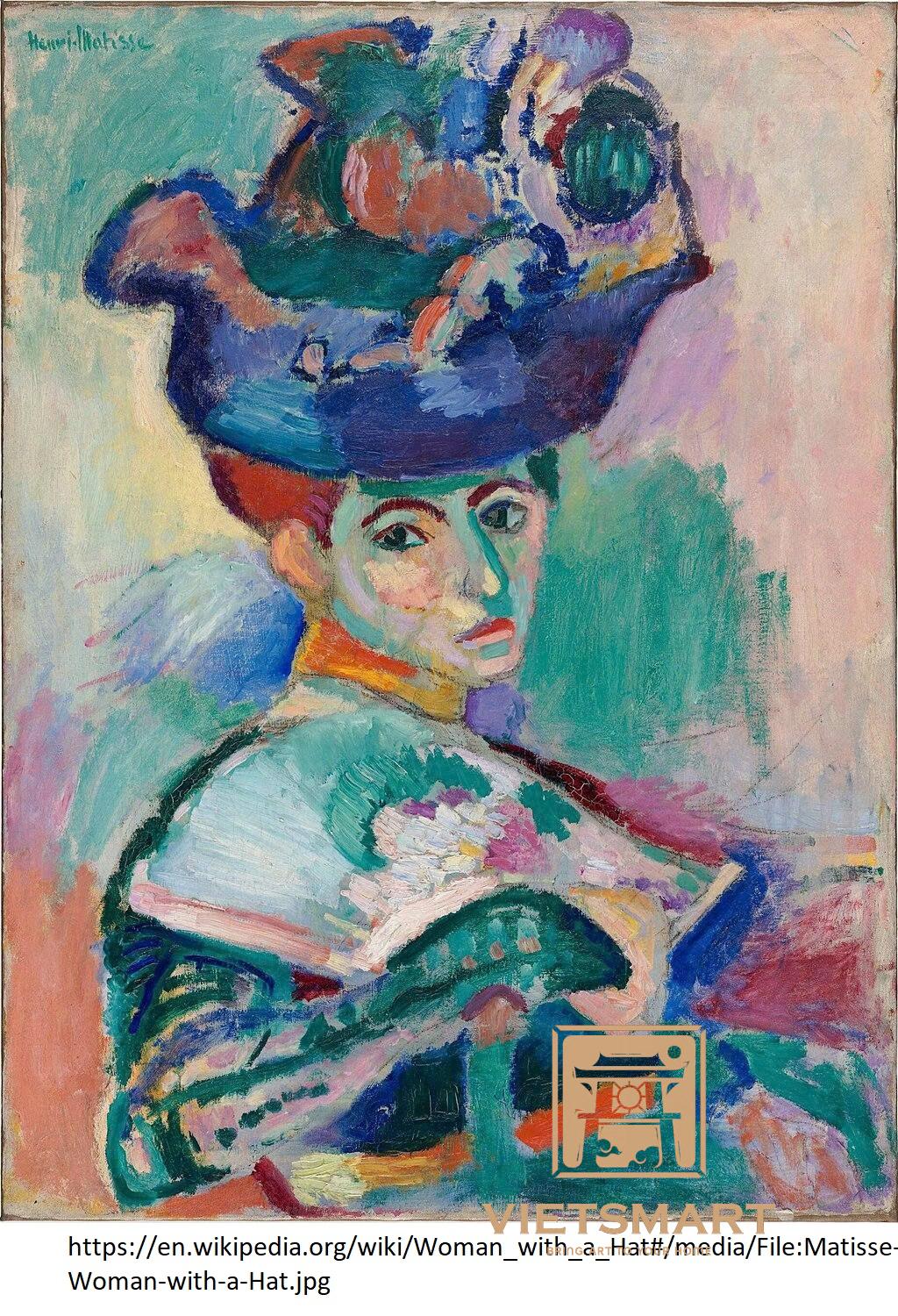
One of the most famous painters associated with Fauvism is Henri Matisse. Known as the leader of the Fauves, Matisse’s work exemplifies the movement’s core principles. His masterpiece, “Woman with a Hat” (1905), is a quintessential example of Fauvism. The painting features vivid, non-naturalistic colors and expressive brushstrokes that convey emotion rather than realism.
“Woman with a Hat” (1905): This painting depicts Matisse’s wife, Amélie, using bold colors and loose brushstrokes. The unconventional use of color shocked contemporary audiences but became a hallmark of the Fauvist style.
Matisse’s innovative approach in “Woman with a Hat” and other works challenged conventional art norms and inspired a generation of artists to experiment with color and form. His influence on Fauvism solidified the movement’s place in art history, paving the way for future avant-garde movements.
Impressionism: Capturing Light and Life
Impressionism, a groundbreaking art movement that emerged in the late 19th century, is celebrated for its... read more
Neoclassicism: The Revival of Classical Ideals
Neoclassicism, an influential art movement that emerged in the mid-18th century, is renowned for its... read more
Realism: Capturing Life with Precision
Realism, an influential art movement that emerged in the mid-19th century, is renowned for its commitment... read more
Post-Impressionism: The Evolution of Modern Art
Post-Impressionism, an influential art movement that emerged in the late 19th century, is celebrated for... read more
Expressionism: The Art of Emotion
Expressionism, a powerful art movement that gained momentum in the early 20th century, is celebrated for... read more
Cubism: Redefining Perspectives
Cubism, a groundbreaking art movement that emerged in the early 20th century, is celebrated for its radical departure... read more