Expressionism: The Art of Emotion

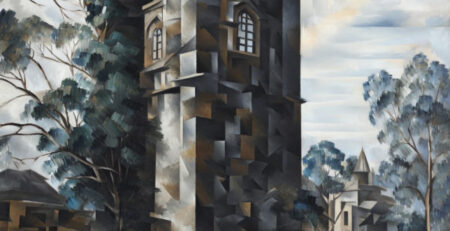
Expressionism, a powerful art movement that gained momentum in the early 20th century, is celebrated for its intense focus on conveying raw emotions and the human experience. Unlike traditional art forms that prioritize realistic representation, Expressionism seeks to express the inner turmoil, passions, and psychological states of the artist. Through bold, exaggerated forms and vibrant, often jarring colors, Expressionist works evoke strong emotional responses, drawing the viewer into the subjective world of the artist.

Background

Expressionism emerged in the early 1900s, primarily in Germany, as a reaction to the increasing alienation and anxieties of modern life. Artists sought to break away from the constraints of naturalistic representation, instead using art as a medium to communicate their personal feelings and experiences. The movement was characterized by a deep concern with the emotional and spiritual aspects of life, often depicting scenes of despair, angst, and passion. The term “Expressionism” was coined to describe this shift towards a more emotional and introspective form of art.
Characteristics


- Distorted Forms: Expressionist artists often use exaggerated, distorted shapes and forms to convey emotional intensity and psychological depth.
- Bold Colors: The use of strong, often non-naturalistic colors is a hallmark of Expressionism, adding to the emotional impact of the work.
- Emotional Intensity: Expressionist works are charged with emotional energy, often depicting scenes of heightened drama, anxiety, or ecstasy.
- Subjective Perspective: Rather than aiming for objective reality, Expressionist art reflects the personal and emotional perspective of the artist, offering a glimpse into their inner world.
Edvard Munch: The Scream
Edvard Munch is one of the most celebrated artists associated with the Expressionist movement. His work is renowned for its intense emotional depth, often reflecting the darker aspects of the human psyche. Munch’s paintings embody the core principles of Expressionism, using bold colors, dramatic compositions, and distorted forms to evoke powerful emotional responses. His innovative approach to depicting inner turmoil and existential angst has made him a pivotal figure in the history of modern art.
Munch’s most famous work, “The Scream” (1893), is a masterful representation of the human condition in the modern age. The painting features a figure standing on a bridge, clutching their face in an expression of sheer horror and despair. The swirling sky and distorted landscape reflect the chaos and anxiety that the figure experiences, creating a powerful visual metaphor for existential dread. “The Scream” has become an iconic image, representing the universal feelings of fear, anxiety, and alienation.

Edvard Munch’s innovative techniques and his focus on psychological depth profoundly influenced the Expressionist movement. His ability to convey complex emotions through color, form, and composition paved the way for future artists to explore the emotional and subjective aspects of art. Munch’s legacy continues to resonate in contemporary art, as “The Scream” and his other works remain powerful symbols of the human experience. His influence on Expressionism solidified the movement’s significance in the evolution of modern art, inspiring countless artists to push the boundaries of emotional expression.